
How Does Swimming Affect Ear Canal Health?
You know that moment after a day at Highline Lake when you shake your head
By: Dr. Chelsie Hensley | April 22, 2026
A hearing test gives a useful snapshot, but that’s really all it is. It tells you how your ears perform in a quiet room under controlled conditions, which is valuable information, but it doesn’t tell the whole story.
Your actual life sounds a lot more like a windy afternoon on the Colorado Plateau, a packed restaurant downtown or a grandkid’s birthday party than it does a soundproofed booth. The gap between those two things is exactly where hearing care has been getting smarter.
Your hearing aids are tracking more than you might think. Every environment you walk into, every adjustment you make, every moment where speech gets harder to follow, that information doesn’t just disappear. It builds up into something your audiologist can use.
When that information is combined with your test results and the feedback you share during your hearing care appointments, it gives your audiologist something much more useful to work with than a single score on a single day.
Moving away from old-fashioned methods means your care is now based on actual facts rather than general guesses. In the past, hearing support relied heavily on basic office checks that didn’t always show the full picture of your life.
Today, we use specific data from your initial evaluations and your actual habits to make sure your hearing aids work well when you are at a busy dinner or a quiet park.
Your hearing tests are the starting point for personalizing your care. They show which sounds are harder to pick up and how well you follow speech when there is background noise.
We use that information to fine-tune your settings so they feel natural in the places you spend time. Hearing can change gradually, so regular check-ins help us notice those shifts early and keep your hearing consistent in routine situations.
Keeping an eye on these details helps you get more out of your devices and stay in step with the sounds around you. Using this information in a practical way makes it easier to adjust over time and keep things working the way you need.
Hearing is closely tied to overall health, more than most people expect. Conditions like diabetes or heart disease can affect blood flow, which can influence how the inner ear works and how sound is processed.
When you share this kind of history, it helps create a clearer plan for your care. It gives us a better idea of how your body responds to sound, so adjustments can be made with that in mind, helping your hearing stay steady in day-to-day life.
Things like past ear infections or ear surgery also matter. They can change the shape of the ear canal or how the eardrum moves, which may make certain hearing aid styles a better fit than others.
Reviewing a full history helps spot patterns that might affect how a person hears in a crowded room or a quiet office. This level of detail ensures that the help provided is a good fit for physical needs and a daily lifestyle.
Modern hearing aids do more than just amplify sound; they keep track of how a person interacts with the world. This process records specific details about daily habits, like how often the volume is adjusted or which settings are used most frequently.
Digital systems securely organize this information to show clear patterns in listening behavior over time. These tools allow for a quick review of how well the current settings are performing in real-world situations.
Current technology gathers several types of helpful information during daily use, including:
Modern technology provides a great deal of data, but the personal experience of the wearer is the most important part of the process. No chart or recorded metric can fully capture how a specific sound feels or whether a voice sounds natural during a family dinner.
When someone describes exactly what they hear in their own home or workplace, it provides the context needed to make hearing aids truly effective for their unique life.
Small details about daily frustrations or successes are incredibly helpful during a follow-up visit. Mentioning that the clinking of dishes is too sharp or that a spouse’s voice feels muffled gives a clear direction for fine-tuning.
It is also useful to bring up any changes in routine, like starting a new hobby or spending more time in large meeting rooms. These updates allow the settings to remain helpful and ensures the sound quality supports better hearing in every environment.
Taking an active role in the decision-making process leads to much better results and long-term satisfaction. Instead of just following a standard plan, being involved means the care is tailored to the specific moments that fill a typical day.
This collaborative approach ensures that the settings feel right for a personal lifestyle, whether that involves attending loud sporting events or enjoying quiet conversations at home.
Sharing questions and concerns during every visit helps build a plan that actually works in the real world. If a certain setting feels too sharp or a specific environment remains difficult, speaking up allows for immediate and precise changes.
When a person stays active in their own care, the results are more reliable, and the connection to the world stays strong and clear.
Modern hearing care is more flexible than ever, thanks to options that don’t always require a trip to the office. Remote monitoring allows for a quick check on how devices are performing and makes it possible to address minor issues from the comfort of home. =
Choosing virtual support offers several practical advantages for a busy lifestyle:
Modern tracking works a bit like a weather forecast for hearing health, helping guide adjustments before changes are noticeable in daily life. Patterns in volume changes or how settings are used can help spot early signs of shifts in hearing.
This proactive approach means that a care plan can be updated long before a small issue turns into a major frustration during a conversation. Keeping a close eye on these trends ensures that hearing support stays ahead of the curve and remains reliable over time.
Establishing clear and reachable milestones is another way this information helps maintain steady progress. These objectives are based on current hearing levels and the specific types of places where a person spends the most time, like a noisy workplace or a quiet library.
Understanding what to expect during the first few months makes the process feel much more manageable and less overwhelming. Clear goals grounded in real-world data make it much easier to track success and stay focused on the ultimate reward of hearing clearly in a crowd.
Privacy remains a top priority in modern hearing care, and several layers of protection exist to keep personal details safe. Secure systems and strict privacy rules ensure that sensitive information is never handled carelessly or shared without a clear reason.
Electronic records are stored in protected files that use strong passwords and encryption to prevent unauthorized access. This careful handling of data lets a person focus on improving their hearing without worrying about their medical history or daily usage information.
Only trained staff members directly involved in providing care have the ability to view these records. Keeping access limited to a small group of professionals ensures that information stays within a tight circle of trust.
This transparency builds a sense of security, ensuring that personal privacy is respected at every step of the process while receiving necessary support for better hearing.
Hearing care that’s built around how you actually live tends to work a lot better than care built around how you performed on a test.
The more information your audiologist has, the less guesswork goes into each decision and the faster things start to feel right. If you’re in the Grand Junction, CO area and want hearing care that goes beyond a one-time evaluation, we’d love to talk.
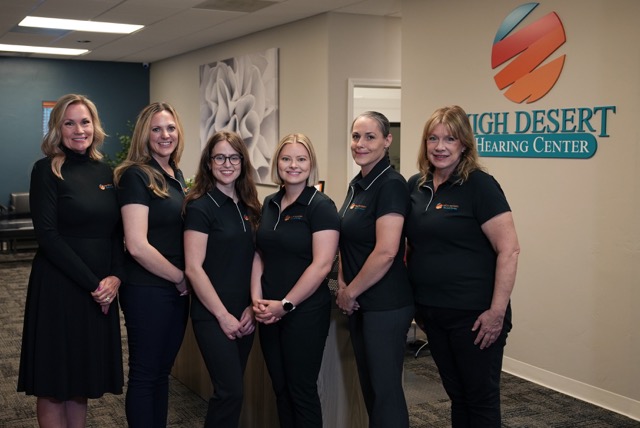
The team at High Desert Hearing Center takes the time to understand how you hear across your whole life, not just within the walls of the office. Give us a call at (970) 985-4008 and let’s figure out together what better hearing actually looks like for you.

You know that moment after a day at Highline Lake when you shake your head
By: Dr. Chelsie Hensley | September 21, 2026
A hearing test gives a useful snapshot, but that’s really all it is.
By: Dr. Chelsie Hensley | April 22, 2026
By The Business Times Staff Used with permission. Read the original
By: Dr. Chelsie Hensley | April 9, 2026