You know that moment after a day at Highline Lake when you shake your head and one ear still sounds like it’s underwater? That feeling doesn’t always go away as fast as you’d like. Out here in the Grand Valley, it happens more than people expect.

Between the reservoirs, the river through Fruita and every backyard pool filled up by June, your ears spend a lot of time wet. It’s just part of a Western Slope summer. Sunburn and dehydration get all the attention, but the water itself is quietly doing its own thing to your ears the whole time.

Swimming puts your ear canal in contact with moisture far more than a shower or a rainy afternoon ever would. Water that lingers in there can soften the skin lining the canal. That makes it easier for bacteria to move in.

That is usually how swimmer’s ear gets started, along with a plugged feeling that can stick around after you’ve toweled off.

Understanding Ear Canal Structure and Age Factors

Your ear canal is not a perfectly straight tube. It has small curves and bends that help protect the eardrum, but those same twists can also give water places to sit after swimming or showering.

That is why one person might feel water drain right away while someone else is still trying to shake it loose an hour later.

Some people naturally have narrower canals or sharper bends, which makes drainage slower. Age can change things as well because the skin inside the ear often becomes thinner and drier, giving moisture more places to cling.

If you seem to deal with trapped water more often than other people, it does not necessarily mean you are doing anything wrong. Sometimes it really does come down to the way your ear is built.

How Trapped Water Leads to Swimmer’s Ear

Water sitting in the ear canal for too long creates the kind of warm, damp environment bacteria and fungi love. Those organisms are already present on the skin in small amounts, but lingering moisture gives them a much better chance to multiply.

The skin inside the ear canal also softens when it stays wet. Once that protective layer becomes irritated or breaks down, germs have an easier way in. That is when itching, tenderness, swelling and drainage can start showing up.

Trying to dig the water out with a cotton swab usually makes things worse. The swab can scratch already-softened skin and push moisture or debris farther into the canal. What starts as a little trapped water can turn into a much more uncomfortable problem.

Comparing Water Sources and Microbial Risks

Not all water exposure in the ears is the same. Chlorinated pools are treated to control bacteria, but repeated exposure to pool chemicals can still dry and irritate the skin inside the ear. If you swim often, that irritation can leave the canal more sensitive.

Lakes, reservoirs and streams come with a different set of concerns because they are not chemically treated. Natural water can contain more bacteria, algae and other organic material, especially when temperatures climb and the water becomes warm or slow-moving.

That matters during hot Grand Junction summers, when reservoirs and other outdoor swimming spots can heat up quickly. A calm, warm lake is very different from a chlorinated pool. The type of water you swim in directly affects your ear health.

Early Warning Signs of Water Trapped in Your Ear

Sometimes you know right away that water is still sitting in your ear. Other times, it starts as a small annoyance that is easy to brush off after a swim.

Watch for signs like:

  • Itching that keeps coming back inside the ear
  • A plugged or muffled feeling, like sound is coming through a layer of water
  • Tenderness when you touch the outside of the ear or tug on the earlobe
  • Red, flaky or irritated skin near the ear opening
  • A little clear drainage showing up on a towel or pillow

How Frequent Swimming Affects Your Natural Earwax

Earwax gets a bad reputation, but it actually does a useful job. It helps coat the ear canal, keeps the skin from drying out and gives the ear some natural protection from water.

If you swim often, repeated water exposure can wash away some of that protective coating. That can leave the skin feeling dry, itchy or more sensitive than usual, especially after several days in a row at the pool or lake.

Water can also cause problems when there is already a lot of wax in the canal. The wax can swell after getting wet, which sometimes creates a sudden blocked feeling or muffled hearing. In that case, the problem is not always trapped water by itself. The water may be sitting behind wax that has expanded and narrowed the canal.

Safe Ways to Drain and Dry Your Ears After Swimming

If water gets stuck after swimming, the best approach is gentle. Trying too hard to get it out can irritate the canal and make the situation worse.

A few safer options include:

  • Tilt your head to the side and gently pull on the earlobe to help the water move out.
  • Pat the outer ear dry with a soft towel.
  • Lie on your side for a few minutes and let gravity do the work.
  • Use well-fitted swim plugs or a swim cap if trapped water is a regular problem.
  • Skip cotton swabs, fingernails or anything else that has to go inside the canal.

Long-Term Effects of Frequent Swimming on Your Ears

If you spend a lot of time in the water, your ears can start reacting differently as the season goes on. Repeated exposure to pool water, lake water or ocean water can dry out the skin inside the ear canal and leave it feeling itchy, flaky or tender.

For some frequent swimmers, that irritation starts showing up earlier each summer. The skin has less time to recover between swims, so even a quick dip can bring back the same soreness or itching.

That repeated irritation does not mean something is seriously wrong, but it does mean the ear canal is becoming more sensitive to water exposure.

Pay attention if the same symptoms return week after week. Persistent flaking, itching or tenderness is different from the brief plugged feeling you get right after swimming and may need a closer look.

Choosing Between Custom Earplugs and Generic Options

Generic swim plugs are easy to find and work well enough for some people. The problem is that everyone’s ear shape is different, so a one-size-fits-most plug does not always create a reliable seal.

If the plug sits too loosely, water can slip around the edges. If it is too tight, it can create pressure and become uncomfortable during longer swims. That is especially frustrating if you are in the water several times a week.

Custom swim plugs are made from an impression of your ear, so they follow the shape of your canal more closely. That personalized fit can help keep more water out while also feeling more secure during laps, diving or other active swimming.

For someone who swims occasionally, generic plugs may be all they need. Frequent swimmers or people who deal with repeated ear problems might find a custom option more comfortable and dependable.

When to See an Audiologist for Ear Discomfort

A little water in the ear usually clears on its own, but pain that keeps building is a different story. If the ear still feels sore, blocked or tender a day or two later, it is time to stop treating it like a simple post-swim annoyance.

Drainage also deserves attention, especially if it is thick, discolored or has an unusual odor. A noticeable change in hearing, increasing swelling or pain when touching the outer ear are other signs that something more than trapped water could be going on.

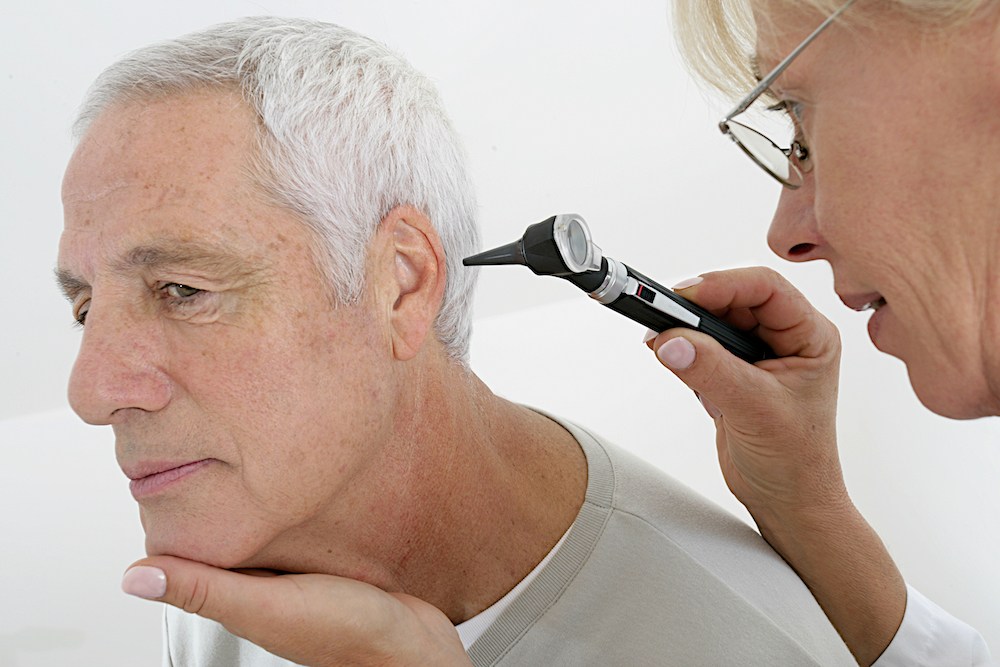
An audiologist can look inside the ear canal and check for wax, irritation or other issues that could be affecting hearing. If the problem needs medical treatment, they can point you toward the right provider instead of leaving you to guess what is causing the discomfort.

Don’t Wait Out a Plugged Ear

If that underwater feeling in your ear sticks around longer than a day, don’t just wait it out and hope it clears on its own. High Desert Hearing Center can take a look and figure out whether it’s water buildup, early swimmer’s ear or something else going on.

A quick check now can save you a lot of discomfort later in the summer. Give us a call at (970) 985-4008 and let’s get your ears back to normal before the next trip to the lake.